
From Monticello to the Stage: Thomas Jefferson’s Musical Life
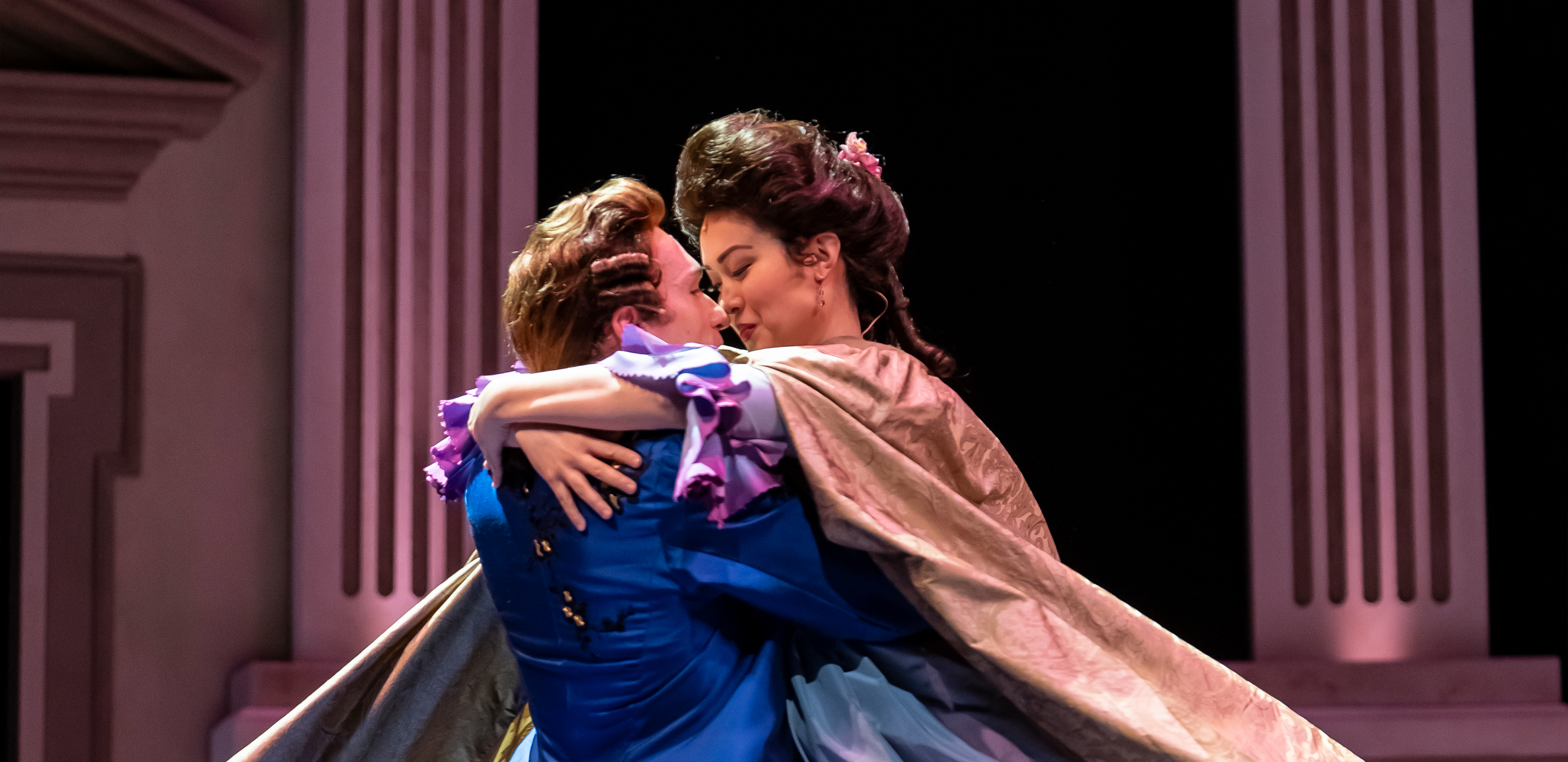
At Ford’s Theatre, where history and performance meet in powerful ways, the current production of 1776 invites audiences to look beyond the ink and parchment of the founding era—and into the personal lives that shaped it. One of the most memorable moments comes not from a debate hall, but from a song of love and music: “He Plays the Violin.”
The Soundtrack of a Founding Father
For Thomas Jefferson, music was far more than a pastime—it was, in his own words, the “favorite passion of my soul.” That wasn’t an idle sentiment. From his youth in colonial Virginia through his years as a diplomat in Europe and beyond, Jefferson’s life was underscored by music—structured by it, even.
He began studying the violin as a boy and quickly became disciplined, if not obsessive, in his practice. By his college years at the College of William & Mary, he was known to practice for hours a day, often finding music both an intellectual exercise and emotional release. In an era when musical accomplishment signaled refinement and education, Jefferson’s skill placed him squarely within the cultural ideals of the Enlightenment he so admired.
But his interest extended beyond performance. Jefferson collected music, acquiring scores from across Europe, and followed emerging musical trends with the same curiosity he applied to other areas of study, which included architecture, science and politics. While serving as minister to France, he attended concerts and operas in Paris, absorbing the musical culture of the continent and bringing those influences home to Monticello. His library—one of the most extensive in early America—included sheet music alongside philosophy and law, reflecting a belief that music was essential to a well-rounded life.
A Love Story in Harmony
Jefferson’s deep connection to music is inseparable from his relationship with Martha Jefferson. Their courtship is one of the more intimate—and enduring—stories of early American history, shaped as much by shared musical expression as by letters or conversation.
According to family accounts, music quite literally set the stage for their romance. During one visit, Martha was singing and accompanying herself on the harpsichord when Jefferson joined in on the violin. The resulting duet was so moving that two competing suitors, who had arrived at the same time, quietly withdrew rather than interrupt. Whether embellished or not, the story captures something essential: music was their shared language.
Throughout their marriage, that connection continued. Jefferson gifted Martha a pianoforte during their engagement—no small gesture in the 18th century—and their home life included regular musical collaboration. In a world defined by public duty and political strain, these private moments of harmony offered balance and intimacy.
“He Plays the Violin”: History Through Song
That deeply personal connection takes center stage in “He Plays the Violin,” one of the most vibrant and revealing numbers in 1776. Sung by Martha upon her arrival in Philadelphia, the song offers a joyful—and unabashedly romantic—portrait of Jefferson through her eyes.
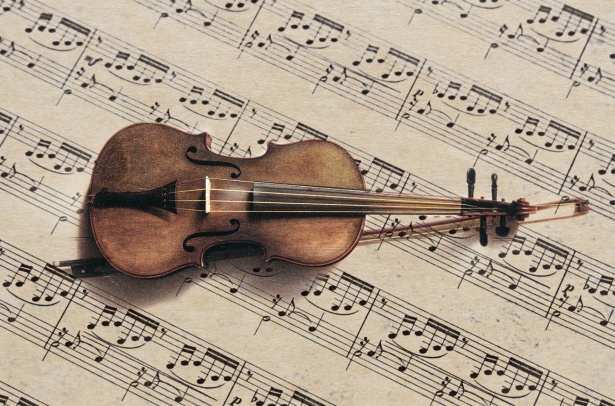
The violin becomes more than an instrument; it is a symbol of Jefferson himself—expressive, passionate and attuned to beauty. Onstage, the number provides a striking contrast to the political tension surrounding the Continental Congress, reminding audiences that the men shaping a nation were also shaped by love, longing and personal connection.
While theatrical in its exuberance, the song is grounded in truth. Jefferson’s identity as a musician was not incidental—it informed how he experienced the world. His sensitivity to rhythm, harmony and form mirrors the precision and care evident in his writing, including the drafting of the Declaration of Independence. In this way, “He Plays the Violin” doesn’t just humanize Jefferson; it illuminates him.
Music as Legacy
Jefferson’s relationship with music endured even as his public responsibilities grew. Although a wrist injury later in life limited his ability to play the violin as he once had, his passion never faded. He continued to listen, collect and encourage others—especially his daughters—to pursue music as a lifelong source of joy and meaning.
He once wrote that music could “sweeten many hours of life,” a sentiment that feels as relevant today as it did in the 18th century. For Jefferson, music was not simply entertainment; it was emotional expression, intellectual engagement and personal connection all at once.
Bringing It Full Circle
At Ford’s Theatre, 1776 reminds us that history isn’t just written in documents, but lived through human moments.
“He Plays the Violin” captures one of those moments: a glimpse of Thomas Jefferson not as a distant figure of marble and myth, but as a man deeply in love, expressing himself through music alongside Martha Jefferson.
And in that melody, centuries later, we still hear something enduring—not just the birth of a nation, but the quieter, more intimate rhythms of the people who shaped it.
Sources:
www.earrelevant.net/2025/08/jeffersons-violins-a-legacy-of-musical-enlightenment-in-early-america
voegelinview.com/music-in-the-life-of-thomas-jefferson
pmc.ncbi.nlm.nih.gov/articles/PMC3159545
www.monticello.org/jefferson-day/a-delightful-recreation/music-at-monticello
www.varsitytutors.com/earlyamerica/jefferson-primer/jefferson-music
