Legacy in the Making: A Day of Advancing the Unfinished Work
 May 17, 2026


Advance registration is sold out. A limited number of same-day tickets will be available on a first-come, first-served basis.
In honor of the 250th anniversary of the founding of the United States, this symposium will explore the enduring relevance of the principles articulated in the Declaration of Independence and their continued influence on the American identity, values, and civic responsibilities. Drawing inspiration from President Abraham Lincoln’s personal conviction in these ideals, this program will engage thought leaders, historians, scholars, and public figures to discuss the ways in which Lincoln’s vision, and the founding principles of the nation, shape the current landscape of American democracy.
Together, we will illuminate the critical opportunities and responsibilities we have to continue the work that Lincoln and the founding generation began, and find practical avenues to actively contribute to building a more perfect union
Let us strive on to finish the work we are in, ensuring that the founding ideals live on in our actions today and into the future.
What to Expect:
- The Symposium will take place in the Frances and Craig Lindner Center for Culture and Leadership, located at 512 10th St NW.
- Session formats may include interactive workshops, panel discussions and presentations.
- General Admission Registration includes all five symposium activities.
- Attendees may opt-in for a guided tour of the Ford’s Theatre Museum at 12 p.m., before the symposium sessions begin.
- Ford’s is pleased to host participants for a cocktail reception in the Malek and Carlucci Legacy Hall following the final session. Alcoholic and non-alcoholic beverages and light snacks will be provided.
Program
12 – 1 p.m. – Pre-Symposium Guided Tour of Ford’s Theatre National Historic Site
1:00 – 1:15 p.m. – Opening Remarks
1:15 – 2:30 p.m. –Women in the Wings: Reading American Life Narratives
An interactive workshop facilitated by Dr. MaryBeth Matthews, Independent Educator.
Life narratives allow a multilayered insight into the lives and times experienced by historical figures. Through guided exercises, participants will consider the intersection of personal voice with historical moments through reading selections from three First Ladies who demonstrated a commitment to founding principles of the nation.
2:45 – 3:45 p.m. –With Malice toward None: Confronting Political Violence in a Digital Age
A panel discussion featuring Bill Braniff, Executive Director of the Polarization and Extremism Research and Innovation Lab at American University; Sherry Hakimi, Co-Founder and CEO of Pirth.org; moderated by Vivian Schiller, VP and Executive Director of Aspen Digital.
Political violence happened at Ford’s Theatre and its legacies continue to impact our world today. Explore how such acts manifest in our digital spaces, and, importantly, ways to combat such violence through individual action and government policy.
4 – 5 p.m. – Dreams of the Future: Imagining American Democracy with Jefferson, Adams, and Lincoln
A Civic Dialogue with Historical Documents, featuring Callie Hawkins, President Lincoln’s Cottage; Steve Light, Thomas Jefferson’s Monticello; Sadie Troy, Adams Presidential Center; moderated by Sarah Jencks, Every Museum a Civic Museum.
When the founders gathered to imagine a new nation, how did they navigate differing dreams and ideals? How did Abraham Lincoln interpret their vision and infuse it with his own civic imagination? In this session we will ask ourselves, what do we, the people today, imagine for our future?
5 – 6 p.m. – Post-Symposium Cocktail Reception
On Our 250th, What’s Your Wish for U.S.?
Ford’s is hosting a Wish Wall at this event! President Lincoln urged Americans to strive on to finish the work we are in. Share your wishes during the symposium as we reflect on the last 250 years and imagine the next.
Featured Speakers
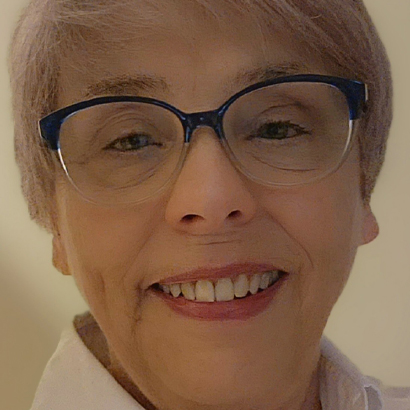
MaryBeth Matthews has over 30 years in higher education, teaching in-person and online classes in literature and writing. She served as the Vice Dean/Department Chair of the Communication, Arts & Humanities Department at the University of Maryland Global Campus.
MaryBeth’s love of teaching and extensive background in the humanities informs her dedication to creating and supporting innovative public programs in literature, art, history, and culture. She has presented online and in-person events on historical and cultural topics for the nonprofit Meetup group, Washington, DC History & Culture. She volunteers for studio art classes with Smithsonian Associates and is a docent at Woodlawn History Center at the Smithsonian Environmental Center.
MaryBeth holds a BA and MA in English Literature from California State University, East Bay; a PhD in English Literature from the University of South Florida, Tampa; and a Certificate in Museum Studies from Northwestern University.
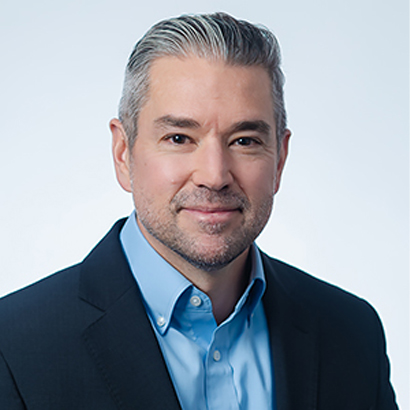
William Braniff is the Executive Director of the Polarization and Extremism Research and Innovation Lab (PERIL) and a research assistant professor in the Department of Justice, Law, and Criminology (JLC) at the School of Public Affairs at American University. He most recently served as the Director of the Center for Prevention Programs and Partnerships (CP3) at the United States Department of Homeland Security, overseeing the implementation of its public health-informed approach to targeted violence and terrorism prevention. Under his leadership, CP3 expanded its engagement with civil society, improved coordination across government, and implemented innovative violence prevention strategies across the country. Prior to his federal leadership role at DHS, Braniff served as the Director of the National Consortium for the Study of Terrorism and Responses to Terrorism (START) and as a Professor of the Practice at the University of Maryland, where he led major federally funded research initiatives and helped train a new generation of counterterrorism scholars and practitioners.
Earlier in his career, Braniff was the Director of Practitioner Education at West Point’s Combating Terrorism Center (CTC) and an instructor in the Department of Social Sciences. He is a graduate of the United States Military Academy at West Point and served as a Company Commander in the U.S. Army. He later earned a master’s degree in international relations from Johns Hopkins University’s School of Advanced International Studies (SAIS) and served as a foreign affairs specialist for the National Nuclear Security Administration.
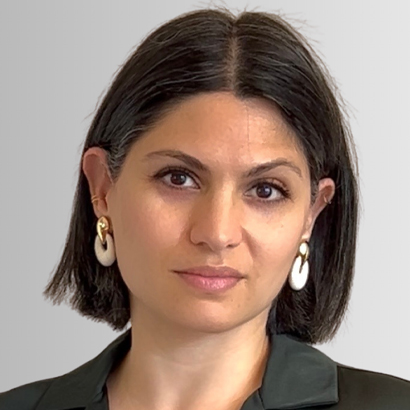
Sherry Hakimi is the CEO of Pirth.org, a global technology nonprofit organization dedicated to helping people stay safe, online and offline. Born of Sherry’s personal experience with online violence, Pirth.org not only provides people access to critical resources and support, it transforms user-reported data into evidence-based solutions.
Prior to cofounding Pirth.org, Sherry’s career has spanned the private, public, and nonprofit sectors on five continents, including at Reebok, the City of New York, and genEquality. A longtime advocate for human rights and women’s rights globally, she has served as a feminist foreign policy advisor at the United Nations and was appointed as Commissioner for the NYC Commission on Gender Equity from 2019-2022. An avid community-builder, Sherry has (co)founded, led, and grown several nonprofits and social enterprises which have enabled her work and impact at the local, federal, and international levels.
Sherry is a 2025-2026 Obama Leader, Truman National Security Fellow, and Term Member at the Council of Foreign Relations. She is a graduate of the University of Massachusetts-Amherst and Harvard Kennedy School. Sherry’s writing and work has been featured in Fast Company, Tech Policy Press, The Washington Post, Politico, The Meteor, The Hill, Defense News, Business Insider, and more.
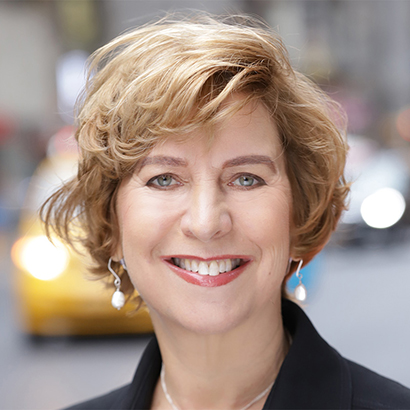
Vivian Schiller is the VP and Executive Director of Aspen Digital, a program of the Aspen Institute, which empowers policymakers, civic organizations, companies, and the public to be responsible stewards of technology and media in the service of an informed, just, and equitable world.
A longtime executive at the intersection of journalism, media and technology, Schiller has held executive roles at some of the most respected media organizations in the world. Those include: President and CEO of NPR; Global Chair of News at Twitter; General Manager of NYTimes.com; Chief Digital Officer of NBC News; Chief of the Discovery Times Channel, a joint venture of The New York Times and Discovery Communications; and Head of CNN documentary and long form divisions.
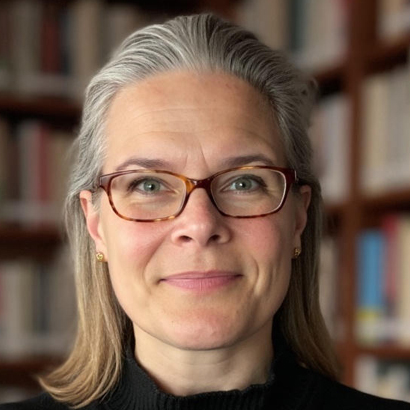
As founder and principal of Every Museum a Civic Museum, Sarah Jencks works with museums and historic sites to help them articulate their authentic civic missions and issues of field-wide concern, including the 250th anniversary of the United States Declaration of Independence. Sarah is chair of the Educating for American Democracy Community Learning Partners task force. For almost 15 years, she was Director of Education and Interpretation at Ford’s Theatre Society and before that taught middle school. Sarah is a National Civics Fellow at the Hoover Institution at Stanford University, a Civic Partnerships Fellow at Thomas Jefferson’s Monticello and serves on the board of the National Council for History Education.
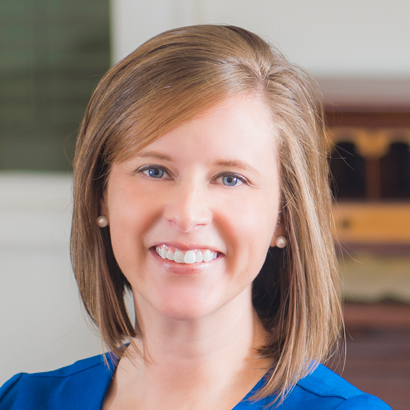
Callie Hawkins is the CEO & Executive Director of President Lincoln’s Cottage. A staff member since 2009 and longtime Director of Programming, Callie assumed the role CEO & Executive Director in 2023. She is responsible for innovative leadership of the National Monument and for providing overall direction for all aspects of operations. Additionally, Callie co-hosts Q&Abe, the site’s award-winning podcast, which has reached thousands of people in more than 80 countries. During her tenure, Callie has spearheaded projects that won national and international recognition, including awards from the American Association for State and Local History, American Alliance of Museums, National Council on Public History, and a presidential medal in 2016 for Students Opposing Slavery, a youth education program for high school students dedicated to raising awareness about modern slavery. In the wake of the global pandemic of 2020, she created the award-winning exhibit, Reflections on Grief and Childloss, which has been groundbreaking in the museum field for providing a place to grieve, remember, and openly discuss loss. She has contributed to numerous publications, including the Journal of MuseumEducation, the Public Historian, and History Matters.
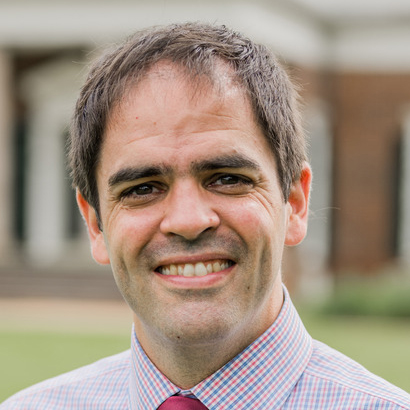
Steve Light has worked at Thomas Jefferson’s Monticello for over twelve years and currently serves as Vice President for Education and Guest Experience. In this role, he leads Monticello’s education and interpretation initiatives, guest services, and exhibition development. Before joining Monticello in 2013, Light worked as Manager of Museum Programs at the National Baseball Hall of Fame and Museum in Cooperstown, New York.
He earned a B.A. in history from Gettysburg College, with a minor in Civil War Era studies, and an M.A. in history museum studies from the Cooperstown Graduate Program. He is also a graduate of the History Leadership Institute, organized by the American Association for State and Local History.
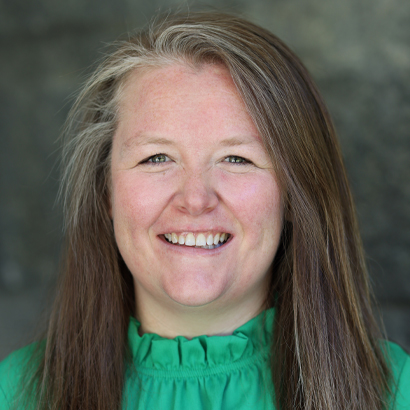
Sadie Troy joined the Adams Presidential Center as its Director of Education and Public Programming in 2025 and has over a decade of museum education experience at numerous presidential history sites. She served as the Director of Education at the Harry S. Truman Presidential Library and Museum in Independence, Missouri after beginning a career in the Founding Era, leading educational programming at both Thomas Jefferson’s Monticello and George Washington’s Mount Vernon. She has an M.Ed in Curriculum and Instruction from the University of Virginia and a B.A. in Video Production from Webster University.
It is no accident that her career has been centered at museums that teach the life and legacies of US Presidents and the impact they made on American Democracy. Her work is guided by the belief that a non-profit’s role within society is to help prepare its audience to become active and engage citizens by using its source collections to analyze the past, strengthening personal skills to confront challenges today. Museums don’t just help audiences understand new content, but provide them a safe opportunity to model their critical thinking and civic engagement skills for both classroom and real world application.